


Skin care
Why skin care is important ?
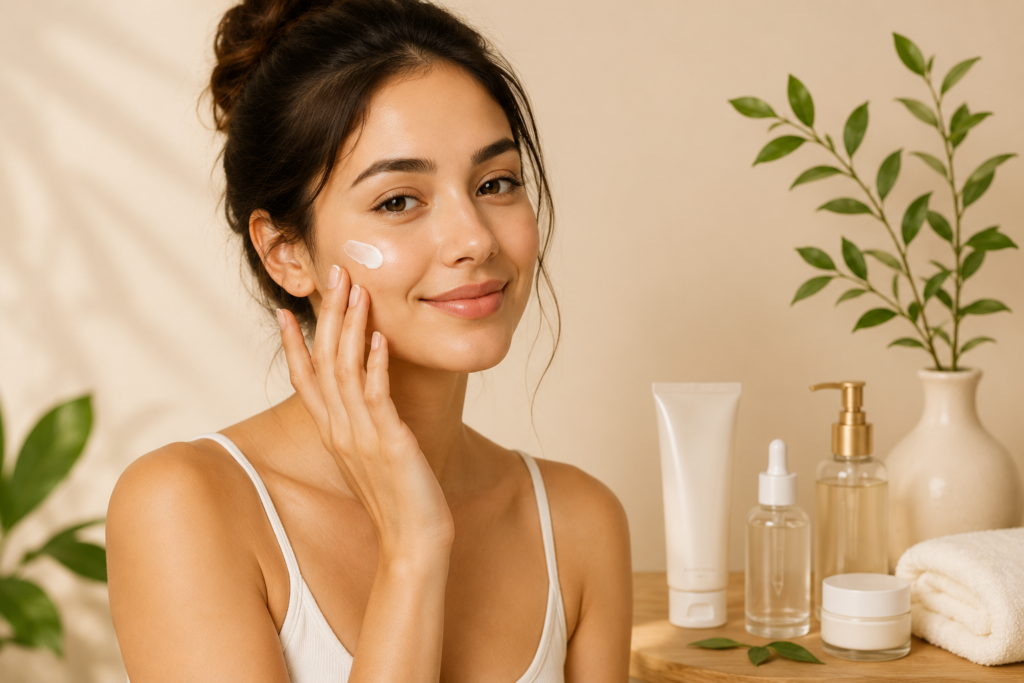
Skincare is important because it helps keep your skin healthy, clean, and protected from problems like acne, dryness, pollution, and sun damage. Healthy skin not only improves your appearance but also boosts confidence and supports your overall well-being. A simple daily skincare routine can help maintain soft, glowing, and youthful skin for a long time.
Types of skin
Problems
Types of skin Problems
Skin problems like Acne & Pimples, Oily Skin, Dark Spots & Pigmentation, and Skin Allergies should never be ignored. Small skin issues can become serious if not treated on time and may affect your skin health and confidence. Healthy skin not only improves your appearance but also protects your body from infections and damage.
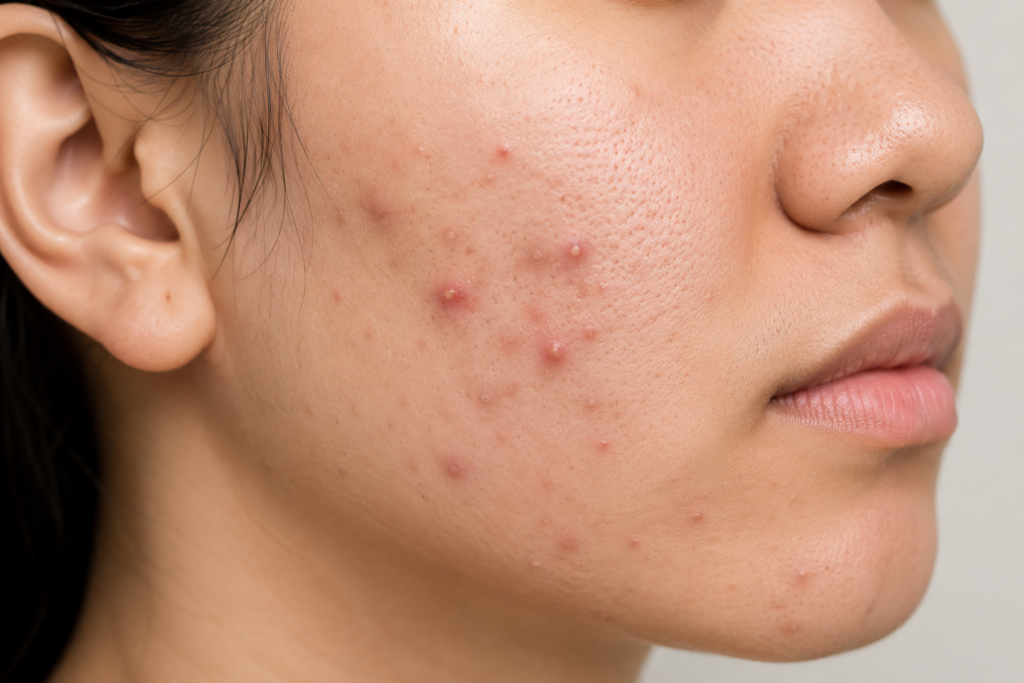
Acne & Pimples
“Understand breakouts, clogged pores, and ways to achieve clearer skin.”
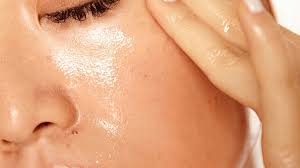
Oily Skin
“Learn how to control excess oil and keep skin fresh and balanced.”
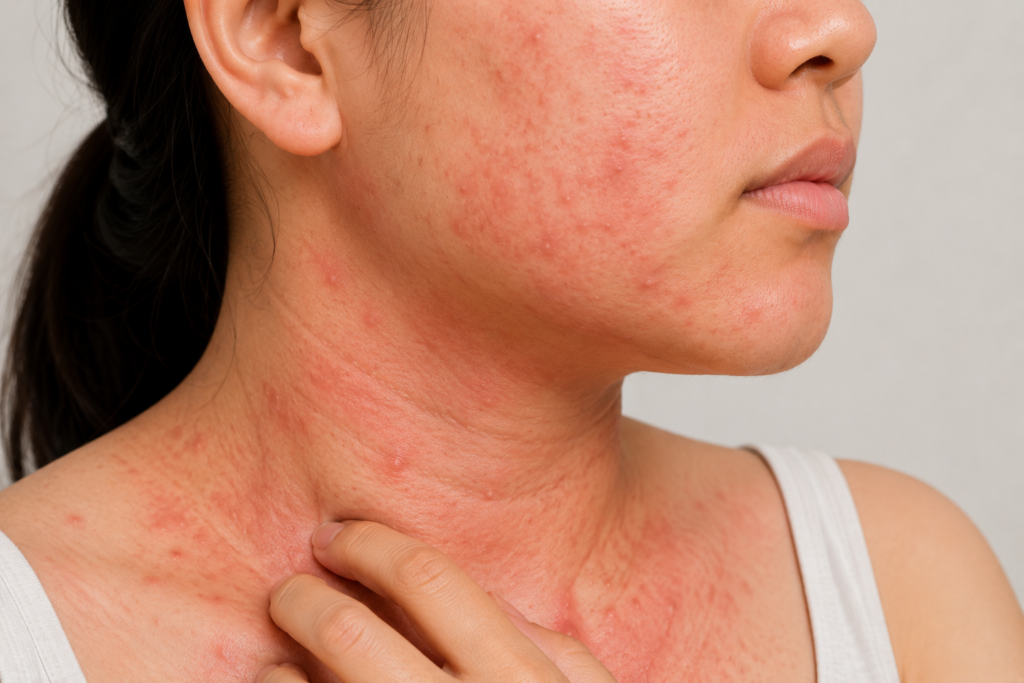
Skin Allergies
“Protect sensitive skin from irritation, redness, and allergic reactions.”
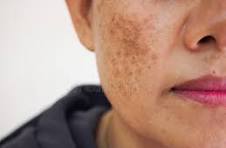
Dark Spots & Pigmentation
“Reduce uneven skin tone and fade dark spots with proper skincare.”
Acne & Pimples
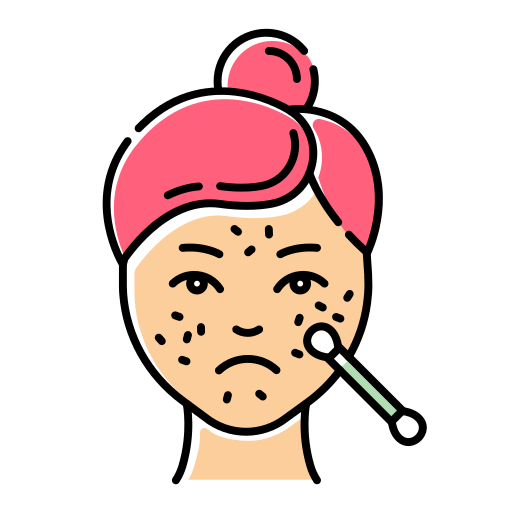
Acne and pimples happen when oil, dirt, and bacteria block the skin pores. They can appear as red bumps, whiteheads, or painful pimples on the face, back, and chest. Hormones, stress, unhealthy food, and poor skincare can make acne worse. Keeping the skin clean and using gentle skincare products can help reduce breakouts.
Oily Skin
Oily skin produces extra sebum, making the face look shiny and greasy. People with oily skin may also get clogged pores and acne more easily. Hot weather, hormones, and wrong skincare products can increase oil production. Washing the face regularly and using lightweight, oil-free products helps control excess oil.
Dark Spots & Pigmentation
Dark spots and pigmentation are patches of skin that become darker than the surrounding area. They are often caused by sun exposure, acne marks, aging, or hormonal changes. These spots can make the skin tone look uneven. Sunscreen and brightening skincare ingredients can help fade pigmentation over time.
Skin allergies
Skin allergies occur when the skin reacts to certain products, foods, dust, or environmental factors. Common symptoms include redness, itching, rashes, and irritation. Sensitive skin can react quickly to harsh chemicals or fragrances. Using mild skincare products and avoiding allergens helps protect the skin and keep it healthy.
Oily Skin & Acne & Pimples
Oily Skin care
Oily skin happens when the sebaceous glands in the skin produce excess oil called sebum. This usually occurs due to genetics, hormonal changes, stress, humid weather, or improper skincare habits. When too much oil builds up on the skin, it can make the face look shiny and clog pores, leading to blackheads, acne, and pimples. Although sebum helps protect and moisturize the skin, excess production can create skin problems. Using the right skincare routine helps control oil and keeps the skin fresh, clean, and healthy.
Recommended Products
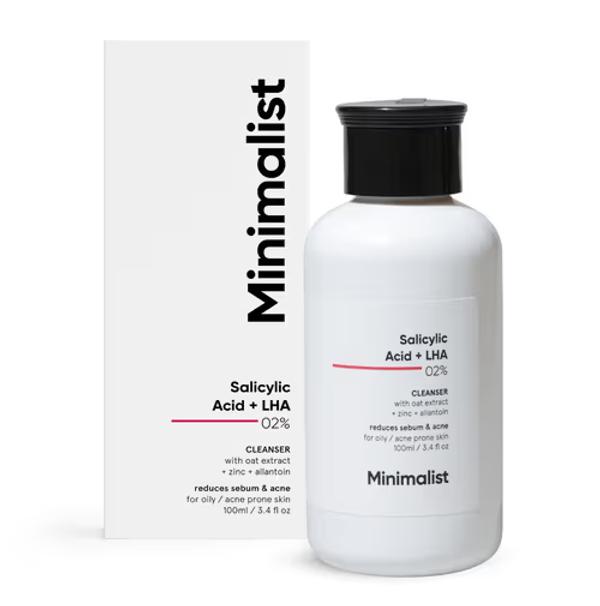
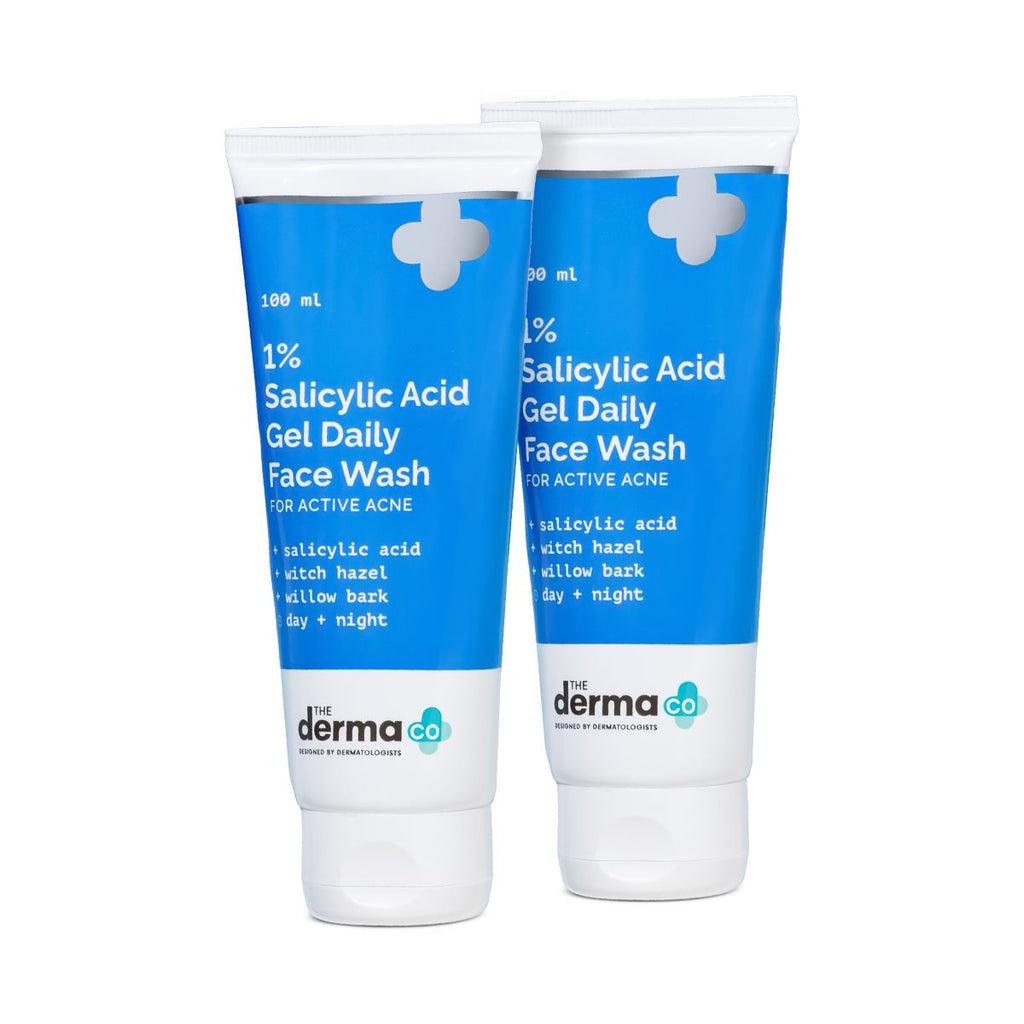
Face Wash – Helps remove excess oil, dirt, and unclog pores without making the skin too dry.
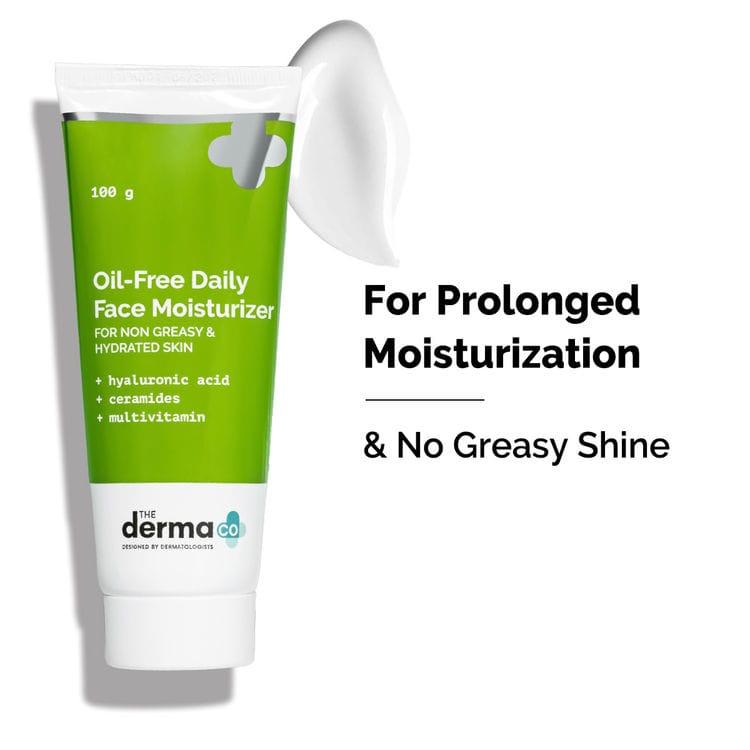
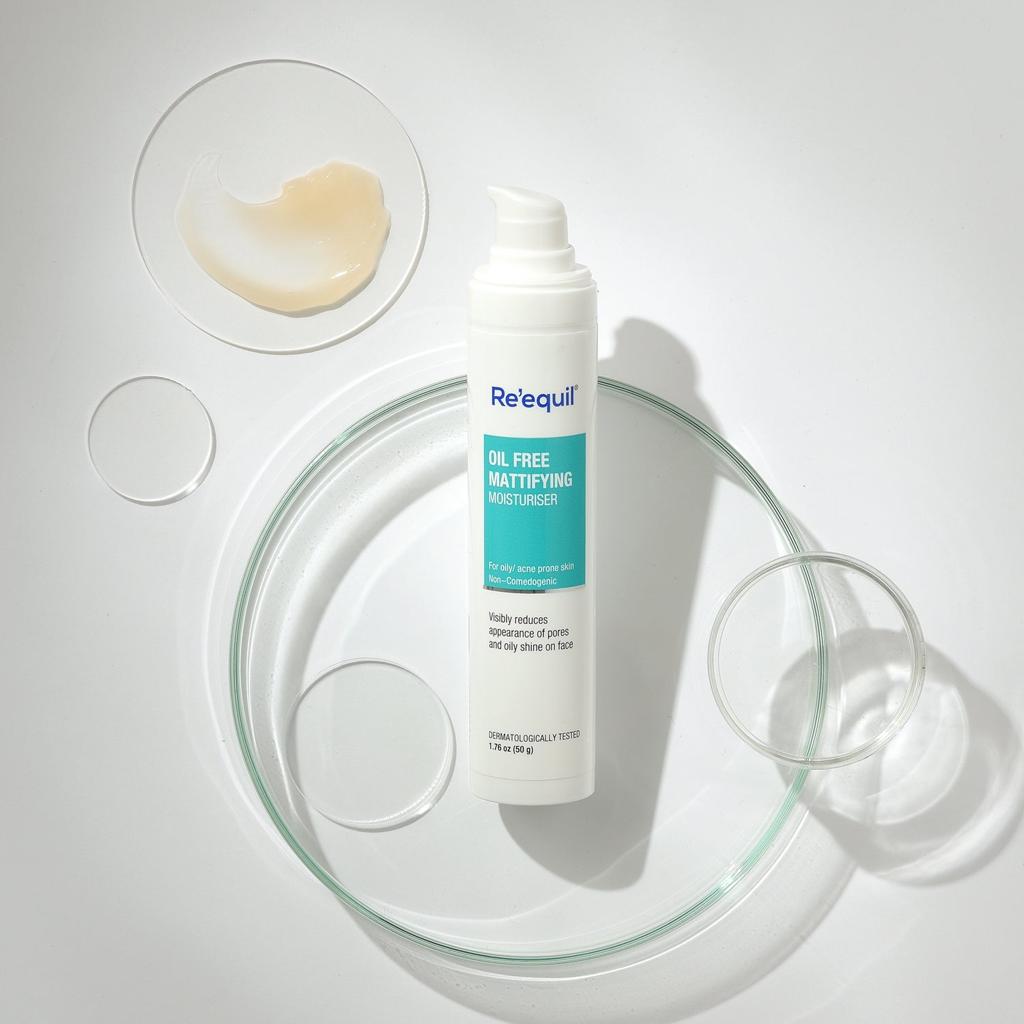
Oil-Free Moisturizer – Keeps the skin hydrated while giving a light, non-greasy feel.
Gel Sunscreen SPF 50 – Protects the skin from sun damage with a matte and lightweight finish.
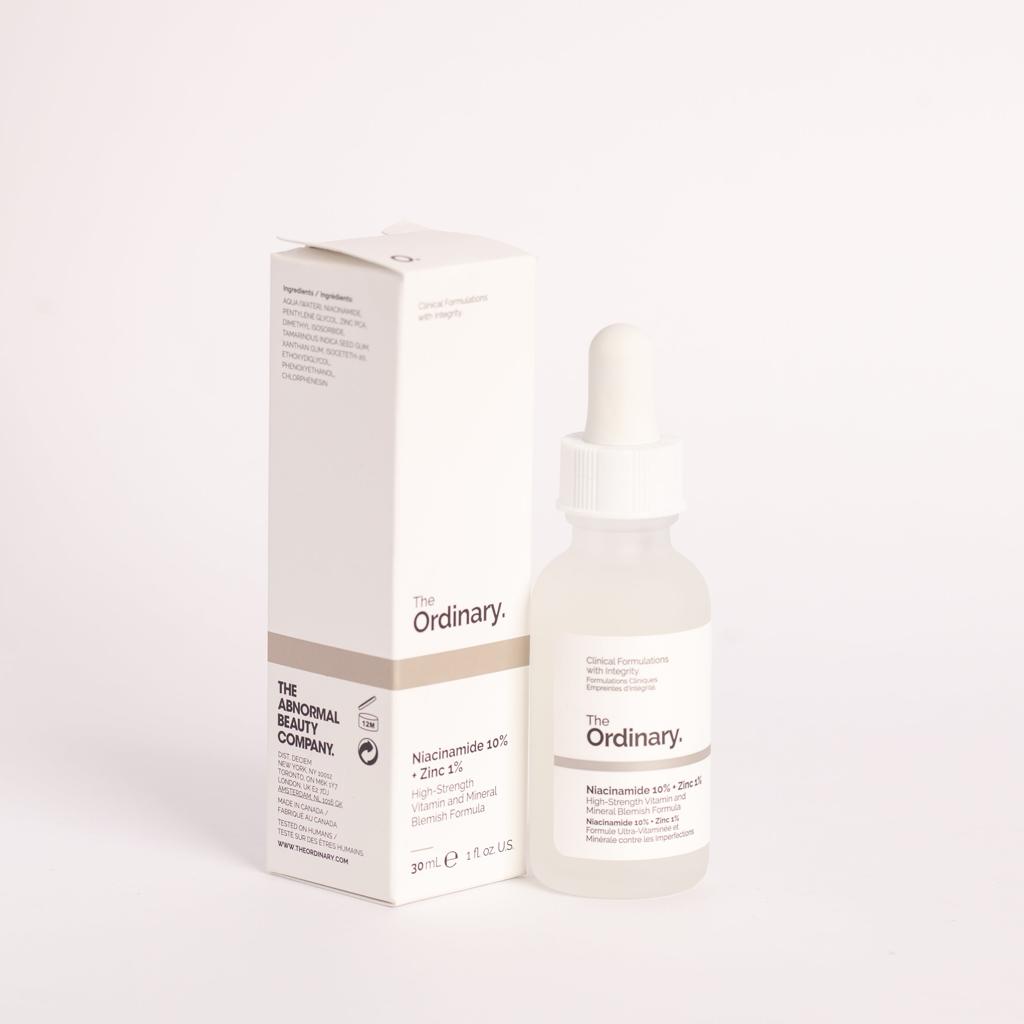
Niacinamide Serum – Helps control oil, reduce acne marks, and minimize the appearance of pores.
Recommended ingredients for oily skin include salicylic acid, niacinamide, and lightweight gel-based formulas.
Tips To Reduce Hair Fall
Wash your face twice daily with a gentle oil-control cleanser.
Use oil-free and non-comedogenic skincare products.
Avoid touching your face frequently with dirty hands.
Drink plenty of water to keep your skin balanced and fresh.
Use blotting papers to remove extra oil during the day.
Acne & Pimples care
Acne and pimples happen when excess oil, dirt, dead skin cells, and bacteria clog the pores of the skin. Hormonal changes, stress, unhealthy eating habits, pollution, and improper skincare can make acne worse. Pimples may appear as blackheads, whiteheads, red bumps, or painful cysts on the face and body. Acne-prone skin needs gentle cleansing, proper hydration, and lightweight skincare products to stay healthy and balanced. Following a consistent skincare routine can help reduce breakouts and improve skin texture over time.
Recommended Products
Salicylic Acid Face Wash – Helps deeply cleanse pores and reduce excess oil and acne buildup.
Niacinamide Serum – Controls oil production and helps fade acne marks and redness.
Oil-Free Moisturizer – Keeps the skin hydrated without clogging pores or feeling greasy.
Gel Sunscreen SPF 50 – Protects acne-prone skin from sun damage with a lightweight finish.
Tips to Prevent Acne & Pimples
Wash your face twice daily with a gentle cleanser.
Avoid touching or popping pimples to prevent scars.
Use clean towels, pillowcases, and makeup tools.
Drink enough water and eat healthy foods.
Avoid heavy oily creams and harsh skincare products.
Daily Routine for Acne-Prone Skin
🌞 Morning
- Gentle Face Wash
- Niacinamide Serum
- Oil-Free Moisturizer
- Gel Sunscreen SPF 50
🌙 Night
- Cleanser
- Salicylic Acid Treatment
- Lightweight Moisturizer